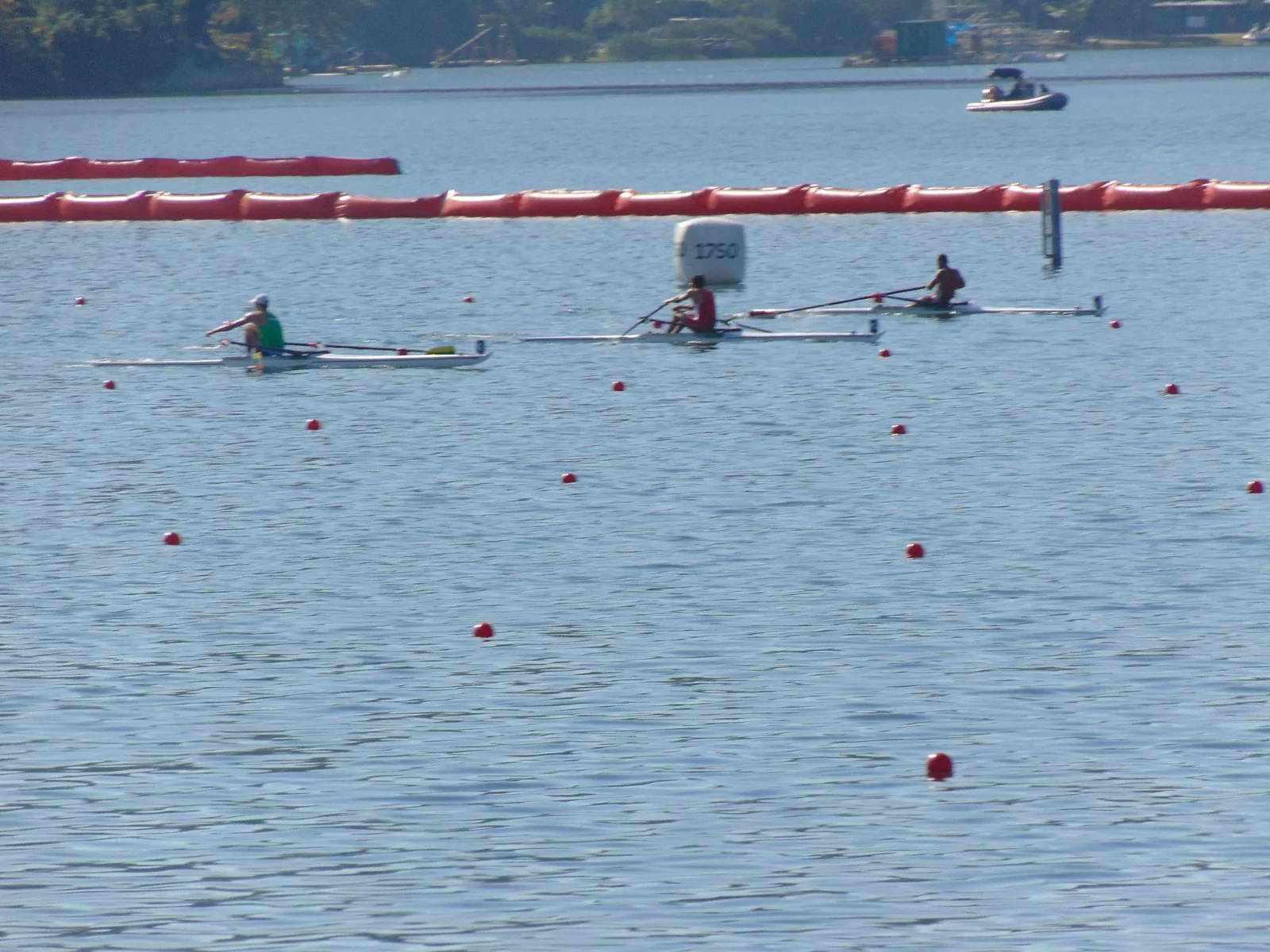
Joining a company means discovering people, habits and ways of working. Even when roles are clearly explained, relationships develop over time. A group experience can open up a different setting for meeting one another, provided it is not presented as a magic shortcut to integration. Through rowing, employees share a situation in which listening and coordination matter. They can discover another side of their colleagues without immediately having to prove their professional competence. The value is human: experiencing something together, then putting everyone’s place into words. This moment complements an onboarding process; it does not replace the company’s responsibilities within it.
Why step outside familiar roles for a while?
At the start of a professional relationship, conversations may focus on responsibilities and procedures. This is necessary, but it does not always reveal how each person listens, asks for help or encourages others. A shared experience can offer another way to get to know one another.
The boat does not erase roles or differences in length of service. Nevertheless, it creates a context in which everyone must take account of a shared action. A new employee can bring useful attentiveness or a question to the group without yet knowing all the company’s habits. This shift must not become a hidden assessment. It is better to present the project as a shared discovery and make clear that no professional judgement should be drawn from an action or hesitation during the activity.
How can you avoid putting newcomers to the test?
An intention to support integration can be undermined by an overly competitive framework or implicit expectations. Asking someone to show that they deserve their place during an event creates a different kind of pressure from that of meeting others. The project benefits from clearly explaining why the group is being invited and what it wants to share.
Welcome individual questions too. The accessibility stated for the discovery day does not replace the practical arrangements agreed during discussions. Participants may need more detail before they can picture themselves taking part. Do not share sensitive information during group preparation or make sporting confidence a criterion for belonging. A place in the team is built through work and everyday relationships; a rowing experience can support it, not determine it.
What intention should you share with the organiser?
Describe the integration context: have people just joined an established group, or is the whole team getting to know one another? The objective might be to encourage connections, talk about communication or share a first common memory. These intentions help guide the choice of format.
Esprit d’Équipe Rowing’s bespoke team building is tailored to the company’s objectives, the number of participants and the desired level of cohesion. The discovery day offers another starting point for an accessible first experience without a sporting background. It would be wrong to choose on your behalf without knowing the group and the confirmed conditions. Describe your expectations to Nicolas Coassin; the preliminary discussion can clarify the project and its limits before any final invitation.
What can you observe in mutual support and communication?
A shared experience can reveal small interactions: someone rephrases an instruction, another asks for clarification, someone notices a colleague hesitating. In a boat, these actions can help the group coordinate. They give a concrete form to welcoming others and showing consideration.
These observations do not establish whether someone has an enduring quality or not. The situation is new, and everyone experiences it differently. An open debrief can ask what made participation or understanding easier. New employees can then share a feeling without being invited to judge the company. It is important that management listens to these comments as a contribution to the conversation, not as an official measure of integration or a verdict on the group’s culture.
How can you build on the encounter back at work?
The experience can create a shared memory, but integration continues through access to information, colleagues’ availability and clear expectations. If a useful question emerges during the debrief, make room for it in everyday discussions. For example, the group could discuss how a new person can ask for help without feeling isolated.
This follow-up is the responsibility of the company and its practices. It is not a promise of an additional service from Esprit d’Équipe Rowing. The arrangements for the debrief itself are agreed during discussions. A coherent approach connects the welcoming intention to everyday life, rather than asking the event to achieve everything. A group experience then becomes one meeting point among others, chosen for its meaning and human potential, without replacing genuine support for new employees.
What are the key takeaways?
Does an activity replace an onboarding programme?
No. It can create a space for meeting one another, but a professional welcome and day-to-day support remain necessary.
Which format should we discuss for an integration objective?
Bespoke team building allows you to start with the company’s objectives. A discovery day can also be discussed depending on your project.
Which format should you explore for your team?
Discover the format linked to this reflection, then request a proposal for your company.
Read the frequently asked questions to prepare for your project.