
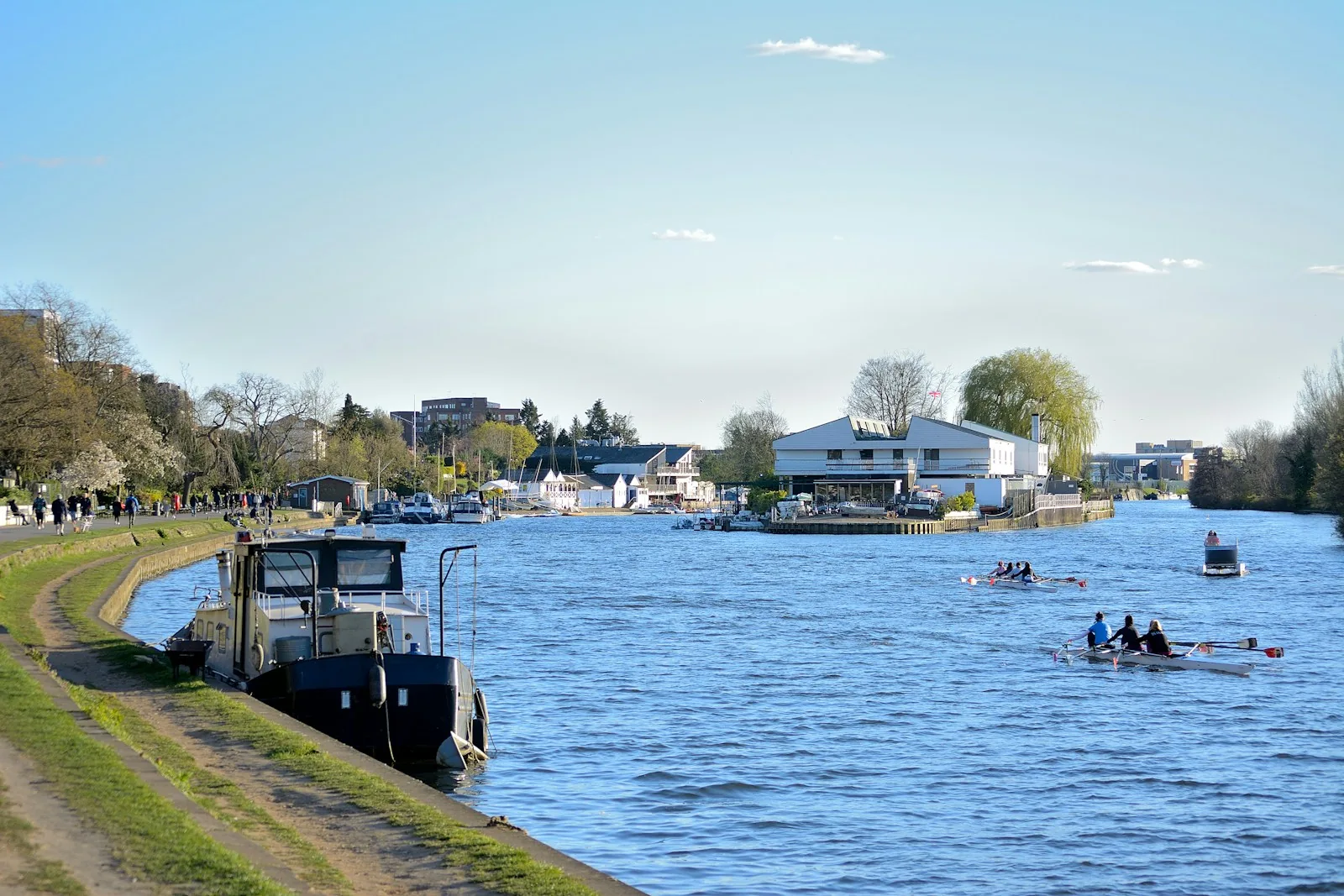
A company away day often brings together several intentions: stepping back, sharing a direction, meeting colleagues and working on common topics. The team activity can then be treated as a break or as a moment that gives the gathering a different form. For Esprit d’Équipe Rowing, the aim is to offer a premium, human and distinctive experience, not just another activity. Rowing invites employees to listen, communicate and coordinate in a boat. This experience can resonate with an away day, provided it starts with the company’s objectives and the practical conditions are confirmed. A memorable moment cannot be promised as an identical outcome for everyone; it is prepared by giving meaning to what will be shared.
What place should the activity have in the away day?
Ask yourself what the group wants to experience beyond the working sessions. The activity might be considered as a way to bring people together, make room for the group or open up reflection on communication. The answer should remain connected to the overall intention of the away day, without trying to cover every issue facing the company.
If the programme focuses on a shared objective, a rowing experience can allow participants to feel some of its aspects. The boat offers a context in which everyone must take others into account. This connection is neither an educational guarantee nor a universal explanation of management. It provides a starting point for conversation. The activity also retains its element of enjoyment and discovery: it does not need to become a disguised work meeting to be meaningful.
Why discuss the format before fixing the time slot?
The time available in your programme is a real constraint, but it does not define a meaningful experience on its own. The duration of Esprit d’Équipe Rowing’s formats is clarified while preparing your proposal. It would be incorrect to promise that an activity can fit into a chosen time slot without a preliminary discussion.
Present your proposed programme, timing, approximate number of participants and main objective to Nicolas Coassin. You can discuss what is possible and what still needs confirmation. The discovery day, bespoke team building and challenges serve different intentions. None should be chosen solely to fill a gap between two meetings. A coherent programme takes account of approved arrangements and makes genuine room for what employees are being invited to experience.
How can you prepare participants without overdoing it?
A clear invitation can explain why the company is proposing this experience and what has already been confirmed. The team does not need a grand speech about its future transformation. It should be able to understand the intention, ask questions and know the practical conditions before taking part.
The discovery day is described as accessible even without any sporting background. Safety, supervision, clothing and equipment arrangements are agreed during discussions. Do not replace them with assumed recommendations. For other formats, prerequisites must also be confirmed. Avoid presenting the event as a test or asking employees to prove their commitment. Preparation should be consistent with the project’s human ambition: giving everyone a place, with honest information about the framework of the experience.
How can you connect the experience to the away-day discussions?
The debrief can serve as a bridge between the experience and the company’s discussions. By revisiting concrete situations, the group can talk about coordination, listening or mutual support using a shared vocabulary. Ask what helped create a shared rhythm, what surprised participants and what they want to explore.
This connection must remain open. Not every observation should be forced to clarify the away day’s message. An experience may raise an unexpected question, or simply offer a valuable moment of connection. The exact debrief arrangements are agreed during discussions. The company then decides what place it wants to give the ideas expressed within its programme. It can revisit them in a later discussion without turning the activity into a promise of change or a measure of collective performance.
What needs approval to organise the project with confidence?
Before incorporating the experience into the final programme, confirm the location, duration, capacity, equipment, supervision and safety conditions. Also ask about adverse-weather arrangements and contractual terms. Prices are agreed during discussions in CHF; no amounts are published on the website.
Separate confirmed services from the elements your company organises itself. Transport, a meal or a meeting room should not be considered included without an explicit indication. This clarity allows you to communicate a reliable programme to employees. It then leaves more room for the meaning of the moment: sharing an experience centred on rowing, experiencing everyone’s contribution and discovering another way to work as a team. The project is memorable in its intention, without promising identical emotions or imposing a lasting memory on every participant.
What are the key takeaways?
Can the activity be adapted to our away-day objective?
Bespoke team building is designed to be tailored to the company’s objectives. The proposal will specify the format and its conditions.
Can we already announce a duration to our team?
No. Duration and timings are discussed while preparing your proposal. Have them approved before finalising your programme.
Which format should you explore for your team?
Discover the format linked to this reflection, then request a proposal for your company.
Read the frequently asked questions to prepare for your project.