
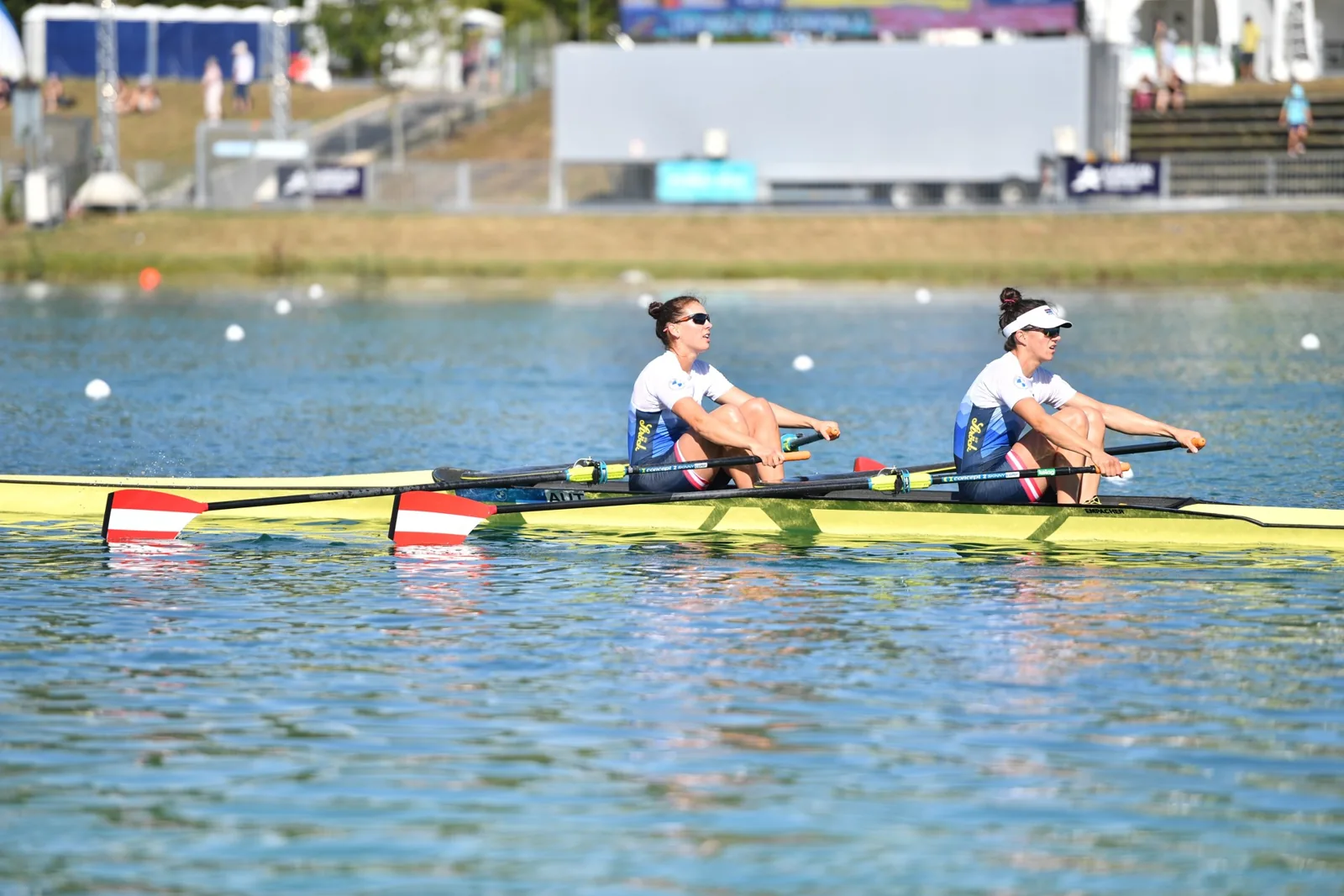
Elite sport sometimes fascinates businesses through its visible results. Yet a record of achievements is not enough to explain what helps a team progress. Behind effort and performance are relationships, adjustments and a way of working with others. Nicolas Coassin was a member of the French national rowing team and has won several French championship titles and international medals. A professional coach for more than fifteen years, he has supported athletes, teams and clubs. These facts provide context for his approach. They are not a promise of results for a company, but an experience of teamwork that he wants people to discover in a different way.
What can we learn beyond the achievements?
A title attracts attention, but it does not describe the entire process of building a team. Nicolas Coassin’s background is presented in measured terms: several French championship titles and international medals, without adding competition names or years that have not been supplied. Its relevance for a business lies in the constant thread of his work: helping the group progress by giving people as much importance as performance.
This approach shifts the perspective. Rather than asking only how to win, it invites people to understand how they can act together. Listening to a difficulty, clarifying an objective, coordinating contributions and supporting others are all dimensions present in a crew. They can open up reflection within a company, provided the sporting background is not presented as an authority that removes the need to listen to the group’s reality.
How can you combine high standards with care for people?
High standards do not necessarily need to be expressed through pressure or competition. They can focus on the quality of listening, the clarity of instructions and the ability to take others into account. In rowing, seeking shared coordination requires attention and adjustment.
Esprit d’Équipe Rowing’s positioning combines enjoyment, emotion and genuinely high standards. This does not mean imposing elite sporting conditions on a corporate team. Participants come to share a group experience, not to join a sporting selection process. The distinction is essential. A human approach should welcome questions and clarify the framework for participation. The practical arrangements for each format are agreed during discussions so that ambition is not confused with an unexplained individual requirement.
Why are roles not enough to make a team?
An organisation can allocate responsibilities without its members truly understanding how their contributions fit together. Team sport invites us to look at this connection. In a boat, people must take account of the shared rhythm: individual effort does not take on its full meaning in isolation.
This perspective may interest business leaders and HR because it questions the relationship between role and cooperation. Who passes on information? Who notices that an instruction is unclear? Who helps the group readjust? The answers do not automatically follow from the organisational chart. A shared experience can make them visible in another context. It does not establish a definitive professional profile or justify reallocating responsibilities on the basis of a moment experienced outside work.
What coaching experience does Nicolas Coassin bring?
Nicolas Coassin has coached in France since 2012 and in Switzerland since 2014. He has coached within the Swiss national team and worked alongside athletes who went on to the Olympic Games. No athlete names, Olympic results or additional details are added to these supplied facts.
His background includes supporting athletes, teams and clubs. Today, he adapts this experience of elite sport and team building to the business world. The word ‘adapts’ matters: this is not about copying competition training. A corporate project has its own objectives and its own participants. The preliminary discussion must therefore clarify what the group wants to experience, then build a format appropriate to that context and the confirmed conditions.
What limitations should you bear in mind when making the connection?
Companies are not crews all the time. They may pursue several objectives, bring together different professions and work within constraints that cannot be reduced to a shared rhythm. A sporting analogy can shed light on one aspect of cooperation, but it should not oversimplify every management issue.
Instead, focus on questions: how do we make the objective understandable? How do we respond to a difficulty? How do we give everyone the means to contribute? The rowing experience can offer a concrete situation for discussing them. Management and employees will then decide what is worth taking back into their work. Elite sport thus brings a perspective and a human experience, without a promise of quantified performance or a method presented as valid for every company.
What are the key takeaways?
Was Nicolas Coassin a member of the French national team?
Yes. This fact was supplied by the client, along with several French championship titles and international medals, without published details.
Does the corporate experience reproduce elite training?
That is not the positioning presented. Nicolas Coassin adapts his experience of teamwork to a project tailored to the company.
Which format should you explore for your team?
Discover the format linked to this reflection, then request a proposal for your company.
Read the frequently asked questions to prepare for your project.