
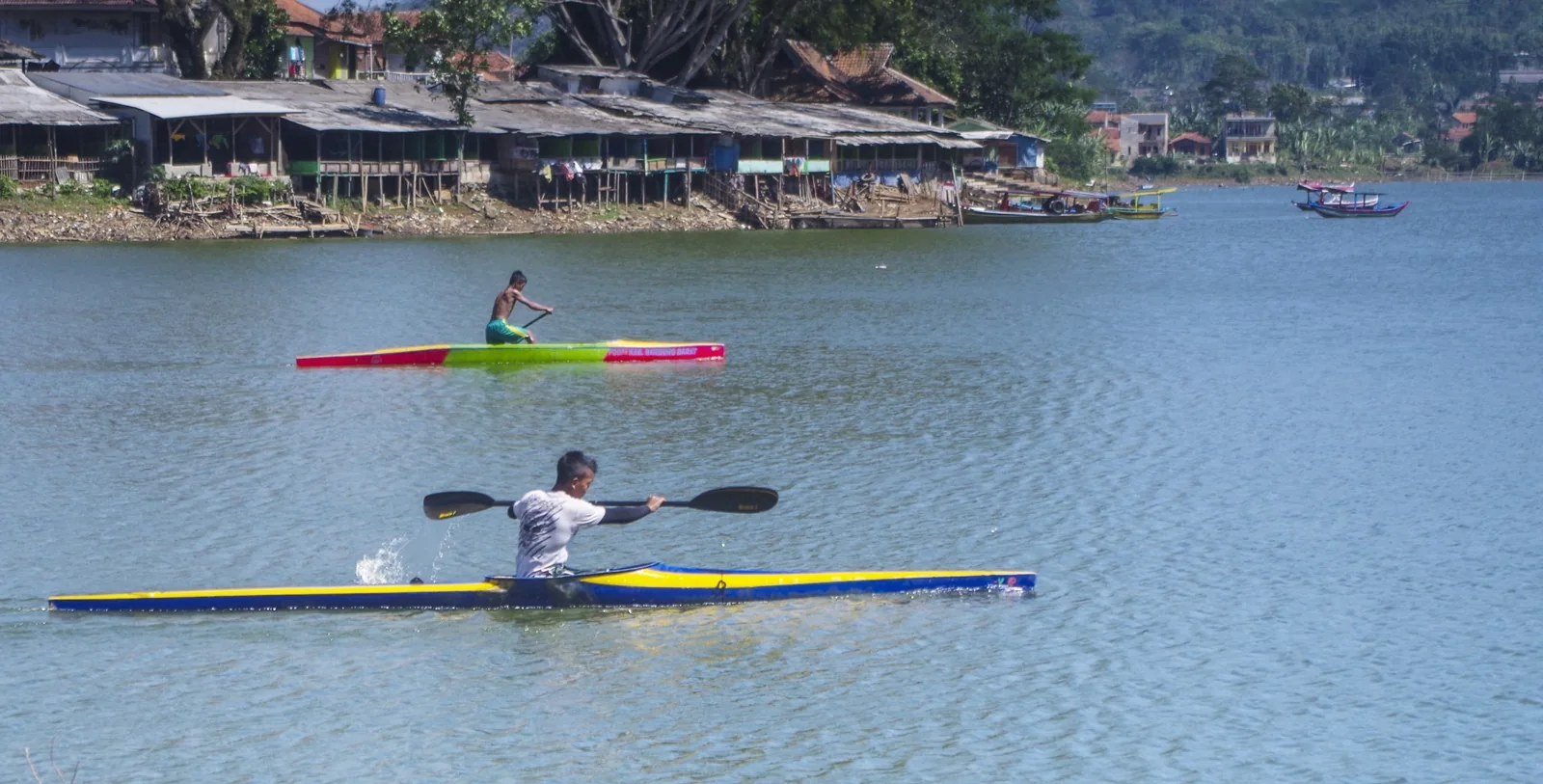
When a corporate activity takes place on the water, the first question is not always about organisation: it concerns the place each person will be able to find within it. Employees may wonder whether they need to know rowing already, be particularly fit or enjoy competition. Esprit d’Équipe Rowing’s positioning specifically avoids reducing the project to just another sporting activity. It is about offering a human experience of working as a group that is both enjoyable and challenging. The client has provided clear information about the discovery day: a first experience accessible to everyone, even without any sporting background. This statement must be distinguished from the practical details agreed during discussions and from the conditions for challenges.
What does discovering rowing without a sporting background mean?
A lack of sporting experience should not be confused with a lack of structure. An introduction involves approaching a new situation, receiving explanations and gradually finding your place in the group. The indicative outline includes a welcome, an introduction and safety briefing, getting on the water as a crew, a highlight and a group debrief. The stages depend on your project.
The value of this format is not in highlighting people who already feel comfortable. It is in discovering what moving forward together means. A team may approach the experience with different levels of familiarity. Describing this diversity to Nicolas Coassin helps clarify the proposed arrangements, without inventing a teaching progression, duration or equipment here that has not been communicated.
Why does coordination matter as much as effort?
Esprit d’Équipe Rowing’s central idea is that everyone counts in the boat and no one can move forward alone. The group must listen, communicate and row in the same direction. This approach shifts the focus: it is not just about individual effort, but about taking others into account.
Someone accustomed to sport may also discover something through this coordination. Conversely, a beginner can contribute to the group’s listening and mutual support. However, it would be excessive to promise that all participants will feel the same ease or emotion. Discovery remains a real experience, with individual perceptions. The company’s objective should therefore be framed around sharing and cooperation, rather than an expected performance from every employee.
How should you approach employees’ hesitations?
A reservation about a new experience does not indicate a lack of team spirit. Some people simply want to know what will happen, what conditions apply or how to express a need. Preparation benefits from welcoming these questions without judgement. The company should not present participation as proof of courage or loyalty.
Ask the organiser about the concrete conditions before communicating definitive information to the group. Individual requirements, possible adaptations, safety and insurance are not detailed in the information provided. Do not therefore promise universal accessibility without confirmation. Health information should not be shared in a group message or through the general form. A personal question deserves an appropriate discussion, with attention to confidentiality and to whether the information requested is necessary.
Do the same conditions apply to every format?
No: the information available about the discovery day does not establish the prerequisites for every other experience. Bespoke team building is tailored to the objectives, number of participants and desired level of cohesion. Inter-company challenges and regattas aim to create a group dynamic around a shared objective. Their precise conditions are agreed during discussions.
If your team is new to rowing, say so in your proposal request. If some employees have rowed before, this can also be mentioned without turning it into a ranking. The choice of format should take account of your intention and the conditions confirmed with Nicolas Coassin. No prior training, fitness test or specific technical level is stated here, as these details have not been provided. It is better to ask an explicit question than turn an assumption into an internal instruction.
What should you check before inviting the whole team?
Before issuing the final invitation, have the location, duration, clothing, equipment, safety instructions, supervision and adverse-weather arrangements confirmed. The fact that the format is described as accessible does not answer these points. Participation conditions, particularly questions relating to water or specific needs, must also be discussed.
Honest communication can distinguish what is already known from what will be clarified. You know that the discovery day aims to offer a first group experience without prior sporting experience; you do not yet know all its arrangements. This transparency helps employees picture themselves taking part without being reassured by invented promises. The project becomes more consistent with its human ambition: everyone should be able to ask questions and understand the framework in which the team is being invited to discover rowing.
What are the key takeaways?
Do you need previous experience for the discovery day?
No. The discovery day is described as accessible even without any sporting background. Practical and individual arrangements are agreed during discussions.
Are safety conditions detailed here?
No. Safety, insurance, supervision and individual conditions must be addressed before the project is approved.
Which format should you explore for your team?
Discover the format linked to this reflection, then request a proposal for your company.
Read the frequently asked questions to prepare for your project.